
How to Protect Your Dining Table from Heat and Scratches
Summary
A dining table is often the centerpiece of a home, but daily meals bring the constant threat of hot serving bowls, accidental spills, and sliding cutlery. Over time, these elements can cause cloudy white heat marks, deep scratches, and water rings that ruin the finish of both wood and glass surfaces. This guide covers simple, effective ways to protect your dining table from heat marks and daily wear while maintaining a stylish and inviting dining space.
Your dining table endures a lot of daily traffic. From serving piping hot curries straight from the stove to acting as a temporary workspace for homework and laptops, the surface is constantly exposed to potential damage. Wooden tables are particularly vulnerable to cloudy white heat rings caused by trapped moisture, while glass tables easily show fine scratches from sliding ceramic plates. Protecting this essential piece of furniture does not mean you have to hide it under heavy, outdated tablecloths permanently. With the right protective layers and daily habits, you can keep your table looking brand new.
Why Heat Marks Happen and Why They Ruin Finishes
When you place a hot pot directly onto a wooden table, the sudden heat opens the microscopic pores of the wood finish. Moisture from the hot item (or even the surrounding air) gets trapped beneath the surface layer as it cools. This trapped moisture creates those stubborn, cloudy white rings that are notoriously difficult to remove.
For glass or engineered wood tables, intense direct heat can cause the material to warp, crack, or weaken over time. Preventing this heat transfer is the single most important step in dining table care.
Step-by-Step Solution: Daily Table Protection
Establishing a quick routine before and after meals ensures your table remains scratch-free and vibrant.
Step 1: Establish a Heat Barrier
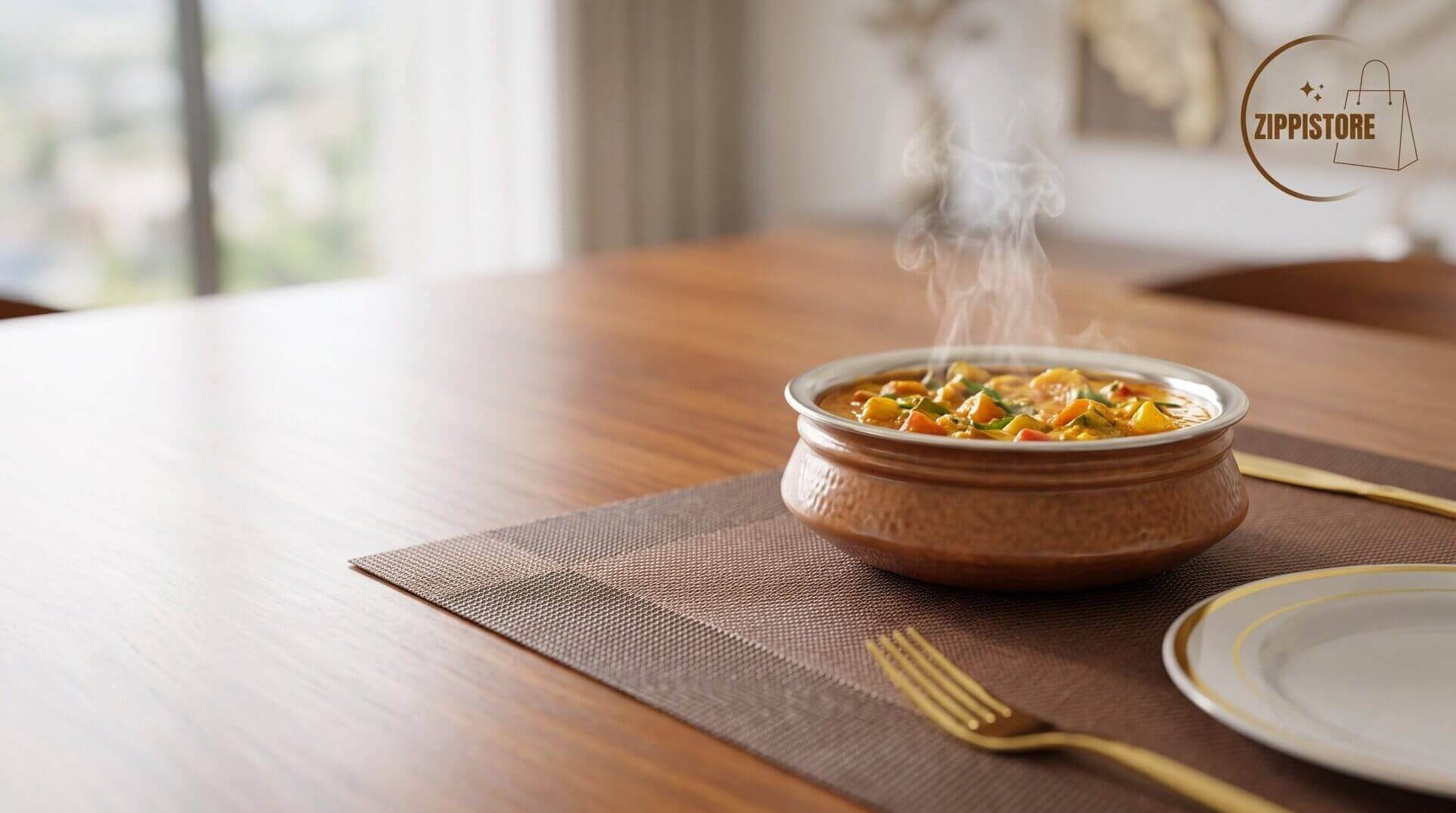
Never place hot cookware or serving bowls directly on the table. Always use a dedicated barrier. Trivets are excellent for heavy, boiling-hot pots straight from the stove, while thick, heat-resistant placemats are ideal for individual dining plates and warm serving dishes.
Step 2: Use Coasters for All Beverages
Cold drinks create condensation that easily drips down the glass, forming water rings. Hot mugs of tea or coffee cause localized heat damage. Make it a strict household rule to use coasters under all glasses and mugs.
Step 3: Wipe Spills Immediately
Leaving liquid on a table gives it time to seep into the seams or degrade the protective polish. Keep a highly absorbent cloth nearby to tackle spills the second they happen, preventing sticky residue and water damage.
Step 4: Dust with Non-Abrasive Materials
Dry dusting with paper towels or rough cloths can create micro-scratches on polished wood and glass. Instead, use a soft dual-sided microfiber cleaning cloth to gently lift dust and crumbs without dragging them across the surface.
Recommended Products for Dining Table Protection
To protect your table effectively without sacrificing the aesthetic of your dining room, consider upgrading your daily table linens.
The PVC Dining Table Placemats Set (Heat Resistant, Non-Slip, 6pcs) is an essential addition to any active dining space.
- Why it is needed: They provide a durable, heat-resistant layer between hot dinner plates and your fragile table surface.
- Problems it solves: Prevents heat rings, stops plates from sliding, and catches food spills before they stain the table.
- Who benefits most: Families who dine together daily and want a quick-clean solution that looks elegant.
Pro Tip: PVC placemats are incredibly easy to maintain. Unlike fabric mats that require machine washing and ironing, PVC mats can simply be wiped down with a damp microfiber cloth or rinsed in the sink after a messy meal.
Do's and Don'ts for Dining Table Care
Do:
- Use felt pads under heavy centerpieces or vases to prevent scratching when moved.
- Keep the dining table away from direct, harsh sunlight to prevent the polish from fading.
- Lift items to move them; never drag plates, laptops, or decor across the surface.
Don't:
- Place pizza boxes or warm takeaway containers directly on the wood; the heat and grease can easily penetrate the finish.
- Use harsh chemical cleaners or bleach-based sprays, which strip away protective wax and polish.
- Leave damp cloths or wet placemats sitting on the table overnight.
Common Buying Mistakes When Choosing Placemats
When shopping for table protection, buyers often make choices based solely on looks rather than functionality. Avoid these common errors:
- Buying Thin Fabric Mats: Thin cotton or linen placemats look beautiful but offer zero protection against heat transfer or liquid spills.
- Ignoring Slip Resistance: Hard plastic mats might stop heat, but if they slide around easily, they can cause spills and accidents during a meal.
- Choosing Hard-to-Clean Materials: Intricately woven natural fiber mats easily trap food particles and are notoriously difficult to clean, often requiring heavy scrubbing that ruins the mat.
Opting for heat-resistant PVC offers a balanced mix of modern design and heavy-duty protection.
Related Topics to Explore
If you are currently upgrading your kitchen and dining experience, explore these helpful guides from our Kitchen & Dining section:
- How to Organize a Small Kitchen Without Expensive Renovation
- Best Kitchen Tools for Steam Cooking
- Best Oil Dispenser Bottle for Healthy Cooking
- Explore our Budget Store Under ₹299 for more affordable home solutions.
Final Takeaway
Protecting your dining table from heat marks, spills, and scratches does not require expensive treatments or hiding the furniture completely. By integrating high-quality, heat-resistant placemats and maintaining a gentle cleaning routine, you can preserve the original finish of your table for years. A small investment in daily protective gear saves you from the frustration and high cost of professional furniture restoration.
Key Action Items
- Audit your current dining setup and remove thin, non-protective fabric mats.
- Invest in a set of heat-resistant, wipeable PVC placemats for daily meals.
- Place a dedicated microfiber cloth nearby for immediate spill management.
- Use sturdy trivets for all hot pots straight from the kitchen.