5 Laundry Mistakes You are Making That Damage Your Clothes (And How to Fix Them)
Summary
Laundry is a daily chore in most Indian homes, yet simple oversight can lead to faded colors, stretched necklines, and ruined footwear. Shifting from heavy scrubbing to protective washing habits saves both time and money.
- The Detergent Dilemma: Why using too much powder detergent leaves a stiff, faded residue on fabrics.
- Protecting Delicates: The damage caused by friction during the spin cycle and how mesh laundry bags prevent stretching.
- Footwear Failures: The hidden danger of tossing sports shoes directly into the machine without protection.
- Fabric Lifespan: Practical adjustments in water temperature and spin speed that keep everyday clothes looking brand new.
Main Takeaway: Protecting fabrics from physical friction and chemical overload is the secret to making your wardrobe last twice as long.
5 Laundry Mistakes You are Making That Damage Your Clothes
In every Indian household, laundry is an essential part of the daily routine. We take pride in wearing crisp, fresh, and spotless clothes. However, have you noticed your bright kurtis losing their color after just a few washes? Or perhaps your favorite t-shirts are stretching out of shape, and your expensive sports shoes are coming out of the machine with frayed stitching.
It is easy to blame the quality of the fabric, but more often than not, the culprit is a set of common laundry mistakes we commit without realizing it.
Why This Matters
Your wardrobe is a significant financial investment, and clothing care directly affects how long that investment lasts. Modern fabrics, ranging from delicate cotton-silk blends to synthetic athletic wear, require precise handling.
When clothes are washed incorrectly, chemical overloads from excessive detergent combined with aggressive mechanical friction break down fabric fibers. This results in premature tearing, fuzzing, and fading, which forces you to retire your favorite garments long before their time. Fixing these mistakes saves you money and keeps your clothes looking brand new.
Common Problems People Face
- Fading and Discoloration: Dark clothes turning dull gray and vibrant colors bleeding onto whites.
- Fabric Stretching and Shrinkage: Collars losing their elasticity and sweaters shrinking by two sizes.
- Ruined Footwear: Shoes losing their structural shape or developing loose soles after a machine wash.
- Detergent Residue: Chalky white patches left on clothes, especially noticeable on dark trousers.
- Tangled and Torn Garments: Delicate lace or straps getting hooked on bra clasps or zippers during the spin cycle.
Unknown Facts Most People Don't Know
- More detergent does not mean cleaner clothes: Excess detergent creates a thick sudsy foam that holds onto dirt and lifts it above the water line. Instead of washing away, that dirty residue settles right back down into the fabric mesh, making garments feel stiff and look dingy.
- Zippers act like saws in the wash: An open metal zipper spinning inside a washing machine acts like a tiny serrated blade, snagging and cutting tiny holes into surrounding soft cotton t-shirts.
- Washing machines can alter shoe alignment: Tossing heavy sneakers loosely into a washer causes them to violently thud against the drum, which can warp the internal structure of the shoe and throw off your walking alignment.
- Buttoning shirts causes seam tears: While zippers should be closed, dress shirts should be completely unbuttoned before washing. The pressure of the spinning cycle pulls at the buttons, weakening the threads and tearing the fabric surrounding the buttonholes.
Step-by-Step Solution
Step 1: Sort by Weight and Fabric, Not Just Color
Most people separate whites from colors, but separating by fabric weight is just as vital. Avoid washing heavy denim jeans or bath towels alongside delicate cotton kurtis. The rough, heavy texture of denim rubs against softer fabrics during the agitation cycle, causing piling and micro-tears. Wash heavy items together and delicate items on a separate gentle cycle.
Step 2: Secure Your Delicate Garments
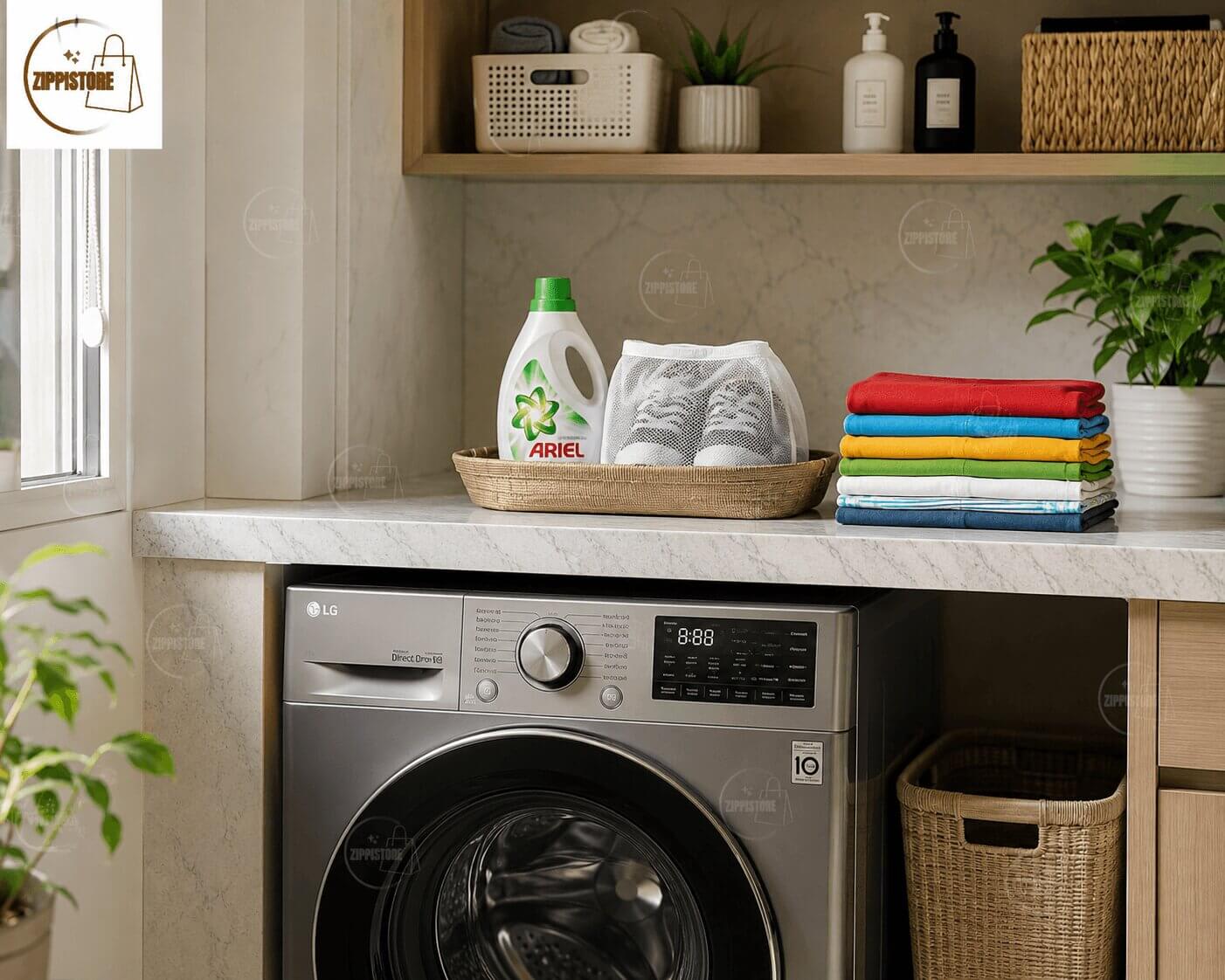
To prevent stretching, tangling, and tearing, group small or delicate items into specialized compartments. Place lingerie, lace items, and garments with strings inside protective mesh laundry bags before placing them in the machine. This allows water and soap to flow through easily while creating a protective shield against friction from larger garments.
Step 3: Wash Footwear Safely
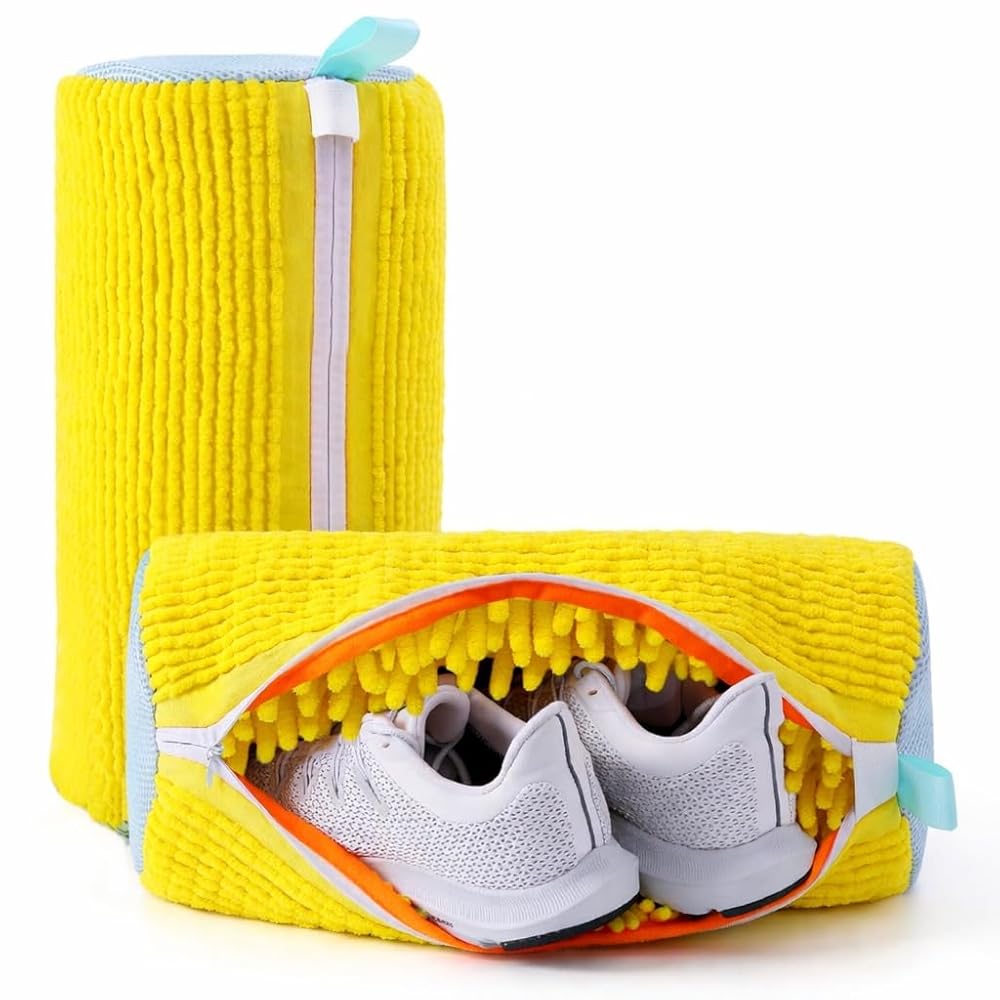
Stop throwing sneakers into the machine bare. Remove the insoles and laces to wash separately. Place the shoes inside a thick microfiber zippered shoe washing bag. The padded microfiber prevents the shoes from slamming into the drum walls, protecting both your expensive sneakers and your washing machine mechanism from impact damage.
Step 4: Turn Clothes Inside Out
Before throwing garments into the laundry basket, turn them inside out. This simple, zero-cost trick ensures that the friction of washing happens on the interior of the clothing rather than the exterior face. It protects prints, embroidery, and keeps the outside of your clothes from fading or developing a fuzzy texture.
Mistakes To Avoid
- Using hot water for everything: Hot water breaks down elastic fibers and causes natural cotton fabrics to shrink. Stick to cold or lukewarm water for 90% of your daily laundry loads; it cleans just as effectively with modern detergents.
- Overloading the drum: Packing the washing machine to the absolute brim leaves no room for the clothes to tumble or for the water to circulate. Your clothes will come out smelling musty because the dirt wasn't effectively rinsed away.
- Rubbing stains aggressively from the top: Rubbing a fresh stain vigorously spreads the pigment deeper into the fabric matrix. Always blot the stain gently from the back of the fabric using a damp microfiber cloth to push the stain outward.
Expert Tips
- The Vinegar Softener: Skip chemical fabric softeners, which leave a waterproof waxy coating on clothes. Instead, add half a cup of white vinegar to the fabric softener compartment. It naturally softens fabrics, cuts through hard water minerals, and removes musty smells completely.
- Air Dry Smartly: Direct Indian summer sunlight acts like natural bleach and will quickly fade dark clothes. Hang your whites in the sun to brighten them, but always dry colored and dark garments inside out in a shaded, well-ventilated area.
- Fasten Before You Wash: Make it a strict habit to close all hooks, Velcro straps, and zippers before tossing clothes into the laundry bin to avoid accidental snags.
Final Takeaway
Achieving perfect laundry results isn't about using the strongest chemicals or the longest wash cycles; it is about minimizing fabric stress. By changing simple habits, like turning garments inside out, closing zippers, and using protective mesh bags for your delicates and shoes, you prevent unnecessary wear and tear. Upgrade your laundry routine with the right protective tools, and keep your clothes looking fresh, vibrant, and brand new for years to come.
Frequently Asked Questions
Featured Products
Discover the top-rated items mentioned in this article.
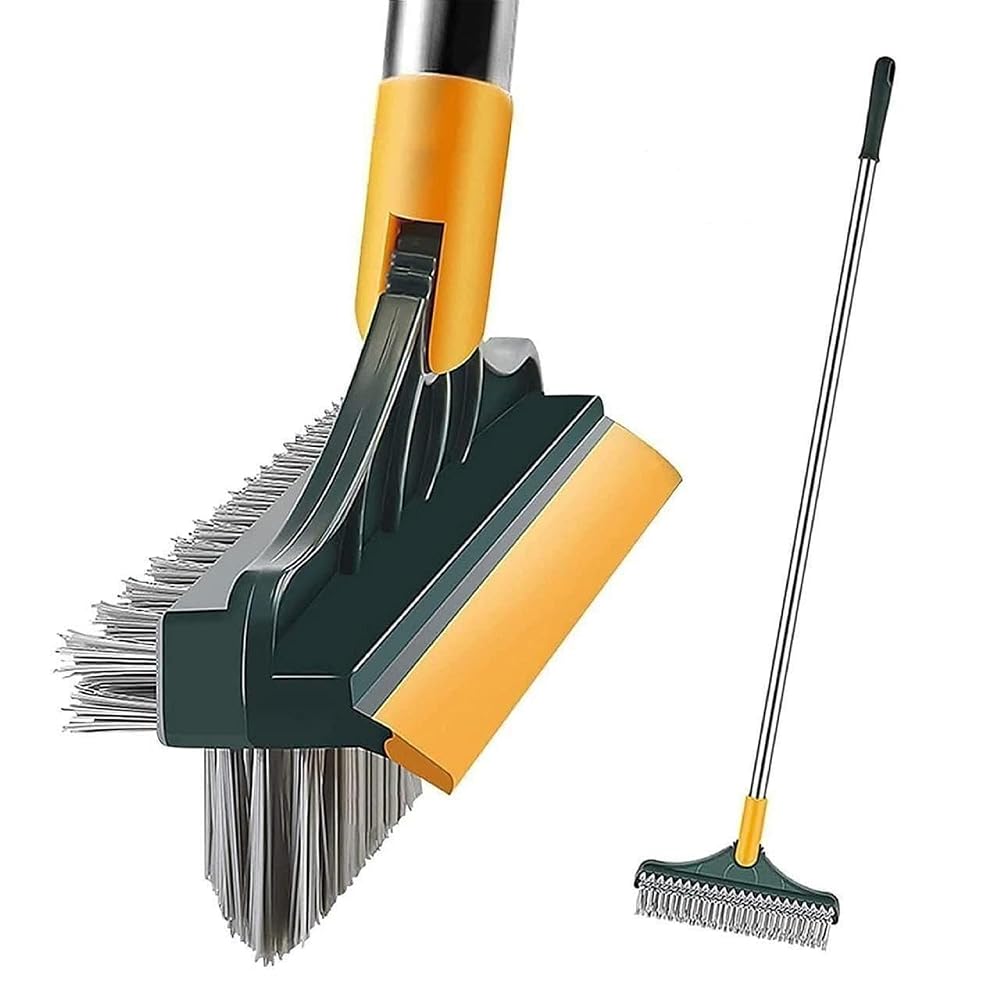
3 in 1 Floor Cleaning Brush with Wiper | Long Handle Floor Scrub Brush with V Shape Bristles and Scraper | Rotating Head Cleaning Brush for Bathroom Floor Tiles Kitchen and Balcony
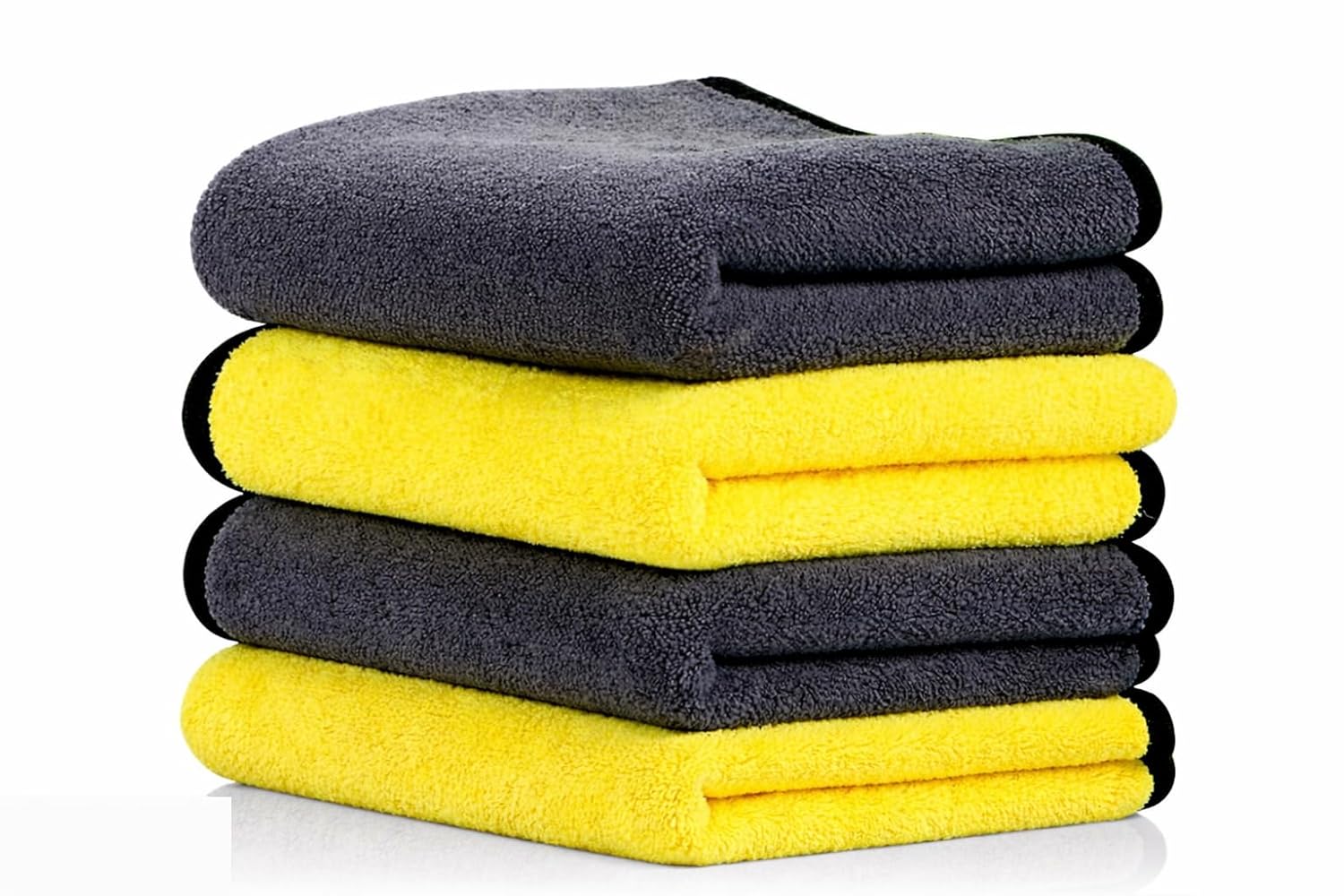
Microfiber Cleaning Cloth 40 cm x 40 cm, Dual-Sided Yellow and Grey Microfiber Towel 800 GSM with Hanging Loop for Car, Glass and Household Surface Cleaning (Pack of 4)