How to Organize Your Kitchen Sink Area Efficiently
Summary
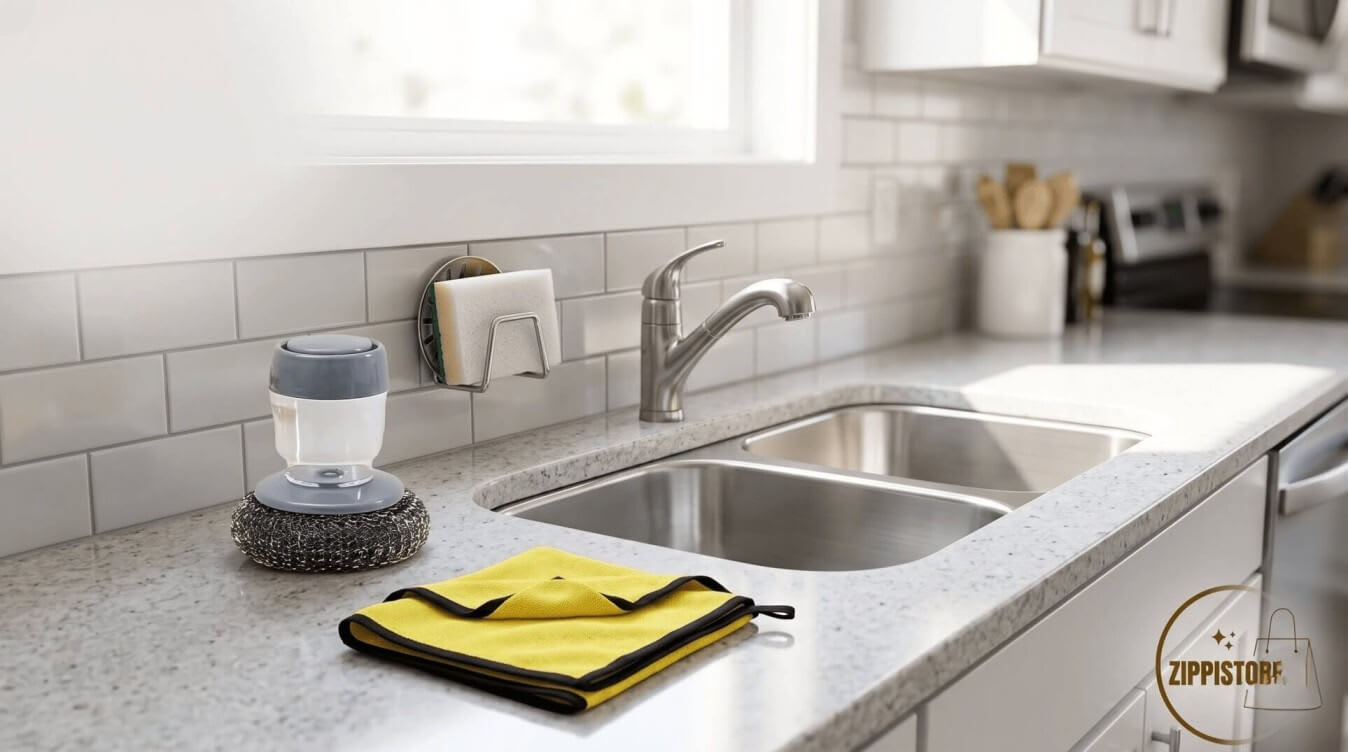
A messy kitchen sink area makes daily cooking and cleaning feel overwhelming. Wet sponges sitting on the counter, scattered soap bottles, and pooling water create a breeding ground for bacteria and visual clutter. Setting up a structured, functional washing station transforms how you handle daily dishwashing tasks. This guide outlines simple, effective methods to optimize your sink space, keep your cleaning tools hygienic, and maximize your available countertop real estate.
The kitchen sink is the most frequently used workstation in any home. Keeping it tidy requires more than just doing the dishes; it requires a smart storage strategy for your cleaning tools.
Overview
Organizing the area around your sink involves removing unnecessary items and finding dedicated homes for essentials like soap, scrubbers, and cleaning cloths. By elevating tools off the counter and utilizing vertical space, you can prevent water buildup and maintain a hygienic environment. Proper organization saves time and reduces the frustration of navigating a cluttered washing area.
Why This Matters
A cluttered sink zone slows down food preparation and makes dishwashing tedious. Sponges left in pools of water develop foul odors and harbor harmful bacteria. Storing soap bottles directly on the counter leaves sticky rings that require constant scrubbing. Creating a designated, elevated system for these tools extends their lifespan and keeps your kitchen smelling fresh.
Common Problems People Face
Most households struggle with limited space around the sink basin. Large dishwashing liquid bottles take up too much room and frequently tip over. Wet scrubbers rarely dry properly, leading to a smelly, unhygienic mess. Without proper holders, water drips onto the floor or damages wooden countertop edges.
Unknown Facts Most People Don't Know
A standard kitchen sponge can hold more bacteria than a toilet seat if not dried properly between uses. Elevating your sponge on a wire rack allows 360-degree airflow, which stops bacterial growth and prevents bad odors. Additionally, using a pump-style soap dispenser instead of squeezing from a bottle reduces soap wastage by nearly 30 percent over a month.
Step-by-Step Solution
Step 1
Clear everything off your sink counter. Throw away old, deteriorating sponges, rusted steel wool, and empty soap bottles. Wipe down the entire area with a damp microfiber cloth to remove built-up grime, soap scum, and hard water stains. Starting with a blank slate helps you evaluate how much actual space you have.
Step 2
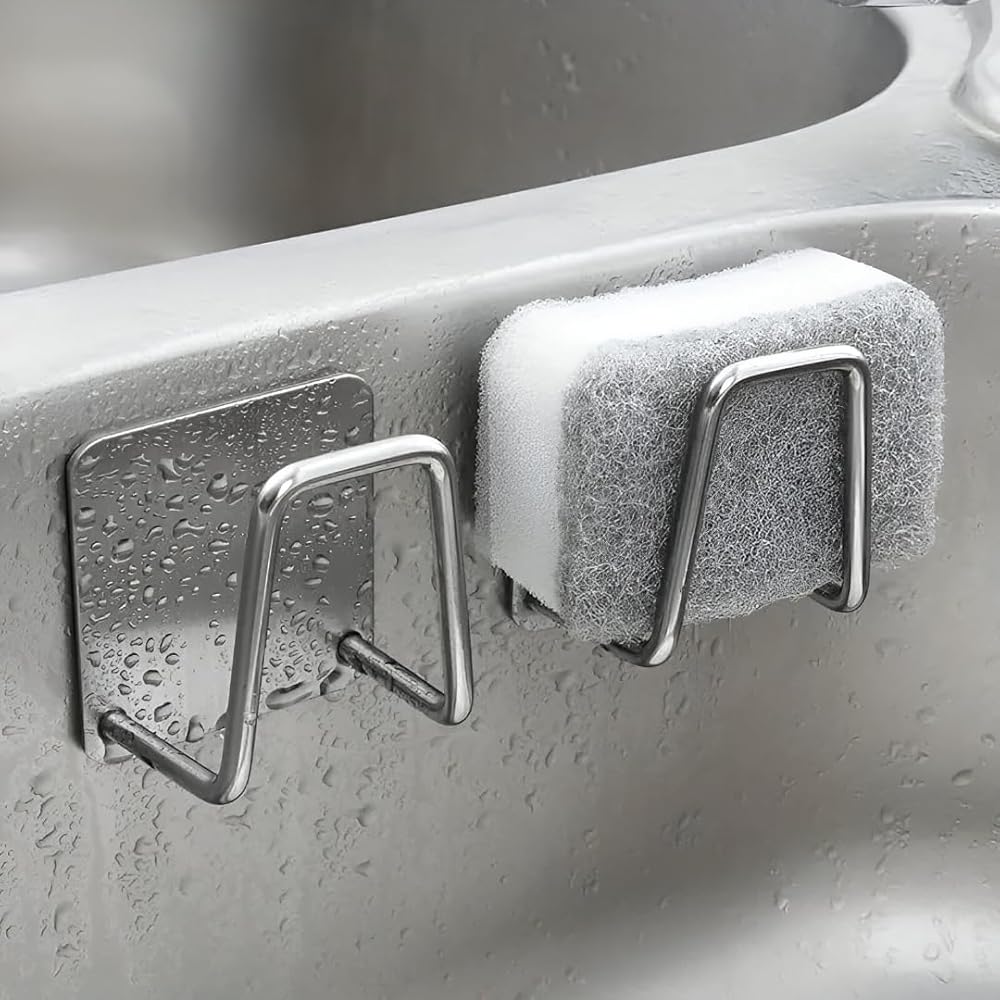
Install vertical storage for your wet tools. Mount a drainage rack inside the sink basin or on the tiles just above it. This ensures that dripping water falls directly into the drain rather than pooling on your countertop. Proper placement keeps the sponge out of the way when washing large pots.
Step 3
Consolidate your dishwashing liquids. Transfer your dish soap into a measured pump dispenser. This eliminates the need for bulky branded bottles and allows for one-handed operation while you wash. Keep only the sponge and the dispenser in your immediate workspace, storing backup supplies in the cabinet below.
Recommended Product
To streamline your sink area, the Dishwashing Soap Dispenser Scrubber is highly effective. It combines soap storage and a sponge resting tray into one compact unit, dispensing the perfect amount of soap directly onto the sponge with a single press. Pair this with the Adhesive Wall Mounted Stainless Steel Sponge Holder for tools that need to hang dry, and keep a Dual Sided Microfiber Cleaning Cloth nearby to wipe down splashes instantly.
Who Should Buy
These solutions are perfect for individuals with compact kitchens, apartment renters who cannot drill holes in their tile walls, and anyone tired of cleaning up soapy water puddles on their countertops. Busy professionals will appreciate the time saved by having a streamlined washing station.
Who Should Skip
If you rely entirely on a dishwasher and rarely hand-wash pots or pans, you may not need dedicated sponge holders or large soap dispensers. Those with massive, multi-level farmhouse sinks featuring built-in caddies might already have sufficient storage space.
Common Buying Mistakes
Many people buy wooden or ceramic sponge holders without adequate drainage holes. These materials absorb water, eventually molding or cracking. Another mistake is buying suction-cup holders that constantly slip off wet surfaces. Opting for strong adhesive stainless steel or plastic drainage racks offers much better long-term reliability.
Expert Tips
Always squeeze out excess water from your sponge before placing it in the holder. Clean your soap dispenser pump mechanism with warm water every few weeks to prevent clogging. Keep a dry microfiber cloth neatly folded near the sink to quickly dab away water splashes before they dry into hard water stains.
Real-Life Example
Consider a typical small Indian apartment kitchen where counter space is at a premium. A family struggled with soap bottles falling into the sink and wet sponges ruining the adjacent wooden dish rack. By switching to a press-down soap dispenser and sticking a small stainless steel holder directly onto the tile backsplash, they freed up six inches of counter space. The sink area instantly looked cleaner, and the sponges dried completely overnight.
Related Topics Readers May Like
- Must-Have Microfiber Cloths for Scratch-Free Kitchen Cleaning
- The Best Budget Organization Tools for Small Kitchens
- How to Clean and Maintain Stainless Steel Kitchen Tools
- Smart Kitchen Hacks for Faster Meal Cleanup
- Maximizing Space in Under-Sink Cabinets
Final Takeaway
A clean sink area is the foundation of a hygienic kitchen. By ditching bulky bottles, elevating wet sponges, and wiping down splashes immediately, you create a workspace that is both visually appealing and highly functional. Small changes in how you store your daily cleaning tools make a massive difference in your daily routine.
Key Action Items
- Throw away old, worn-out sponges and empty bottles today.
- Install an adhesive drainage holder for your scrubbers.
- Switch to a pump-action soap dispenser to save space and reduce soap waste.
- Keep a dedicated microfiber cloth nearby for quick wipe-downs.
Frequently Asked Questions
Featured Products
Discover the top-rated items mentioned in this article.
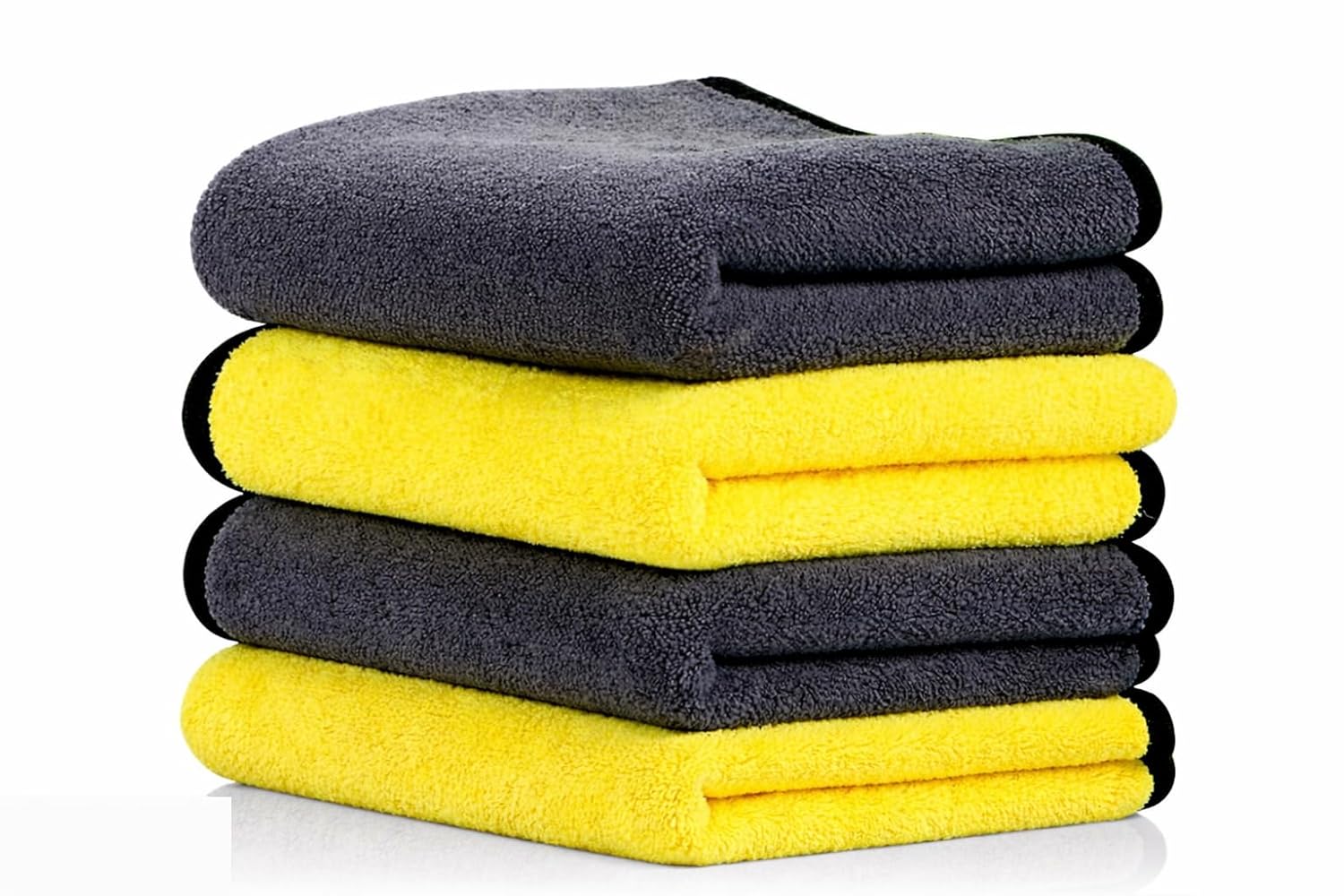
Microfiber Cleaning Cloth 40 cm x 40 cm, Dual-Sided Yellow and Grey Microfiber Towel 800 GSM with Hanging Loop for Car, Glass and Household Surface Cleaning (Pack of 4)
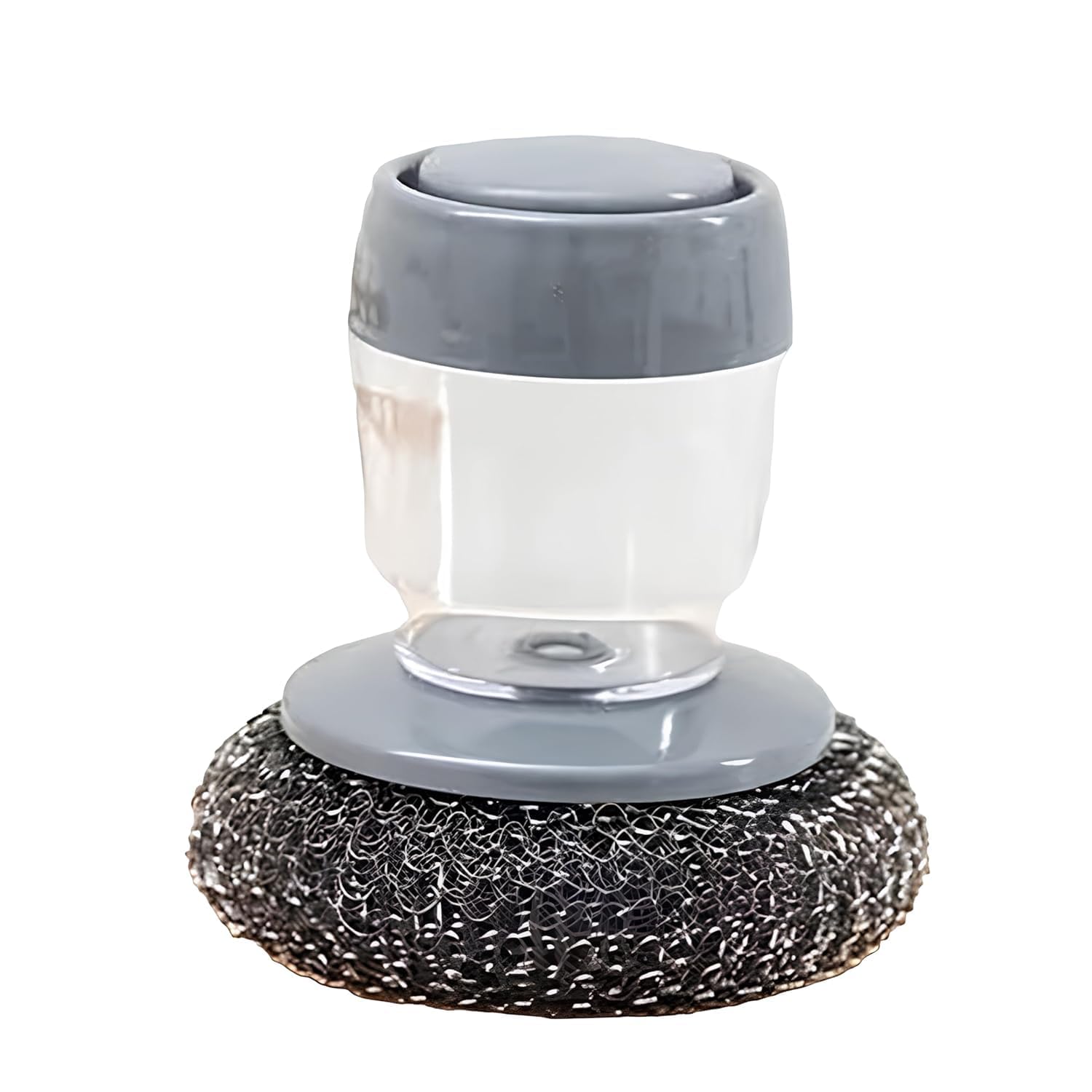
Dishwashing Soap Dispenser Scrubber with Steel Wire Sponge and Refillable Liquid Container for Kitchen Sink Utensil Cleaning