
How to Keep Your Bathroom Dry and Slip Free During Monsoon
Summary
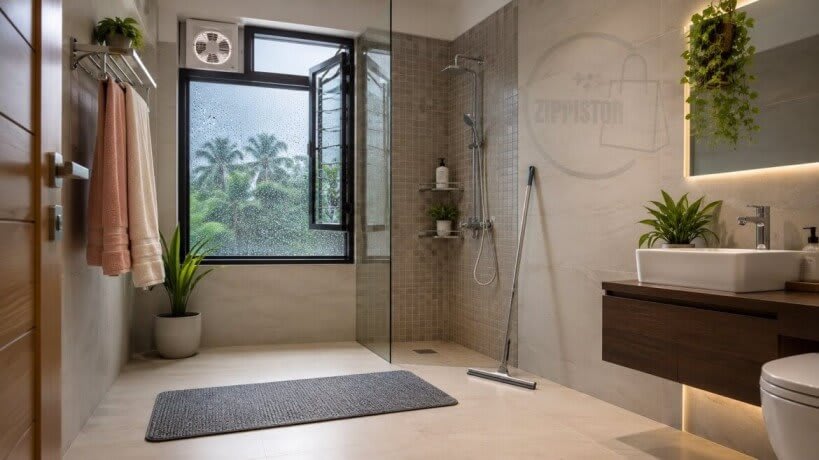
During the monsoon, bathrooms become damp and slippery, increasing the risk of falls and mold growth. This guide shares practical tips such as improving ventilation, using anti-slip mats, wiping excess water, organizing toiletries, and choosing moisture-resistant accessories to maintain a clean, safe, and hygienic bathroom.
How to Keep Your Bathroom Dry and Slip Free During Monsoon
The monsoon season brings cooler weather and refreshing rain, but it also creates one common household problem, wet and slippery bathrooms. High humidity, constant moisture, and slow drying surfaces can make your bathroom unsafe for children, adults, and elderly family members.
Fortunately, you don't need an expensive bathroom renovation to improve safety. With a few simple habits and the right bathroom accessories, you can keep your bathroom clean, dry, and comfortable throughout the rainy season.
Here are some practical tips to help you maintain a slip free bathroom during the monsoon.
Why Bathrooms Become Slippery During Monsoon
Bathrooms naturally stay damp because of frequent water usage. During monsoon, the problem becomes worse because moisture takes longer to evaporate.
Common reasons include:
- Wet floors after bathing
- Poor ventilation
- Soap residue on tiles
- Water dripping from buckets and taps
- Humid weather preventing quick drying
Ignoring these issues can increase the risk of slips, mold growth, and unpleasant odors.
1. Keep Bathroom Floors Dry
One of the easiest ways to prevent accidents is to remove standing water as soon as possible.
Simple habits include:
- Wipe the floor after every shower.
- Use a floor wiper to remove excess water.
- Dry corners where water usually collects.
- Encourage family members to leave the floor clean after use.
Even spending a minute drying the floor can make a big difference.
2. Place Anti Slip Mats in Key Areas
Bathroom mats help absorb water and provide better grip.
Place them near:
- Shower area
- Wash basin
- Bathroom entrance
Choose quick drying mats with a non slip base for better safety.
Remember to wash and dry the mats regularly to prevent mold and bacteria.
3. Improve Bathroom Ventilation
Proper airflow helps moisture evaporate faster.
You can improve ventilation by:
- Opening windows after bathing.
- Using an exhaust fan for at least 20 minutes.
- Keeping the bathroom door open whenever possible.
Good ventilation also helps reduce humidity and unpleasant smells.
4. Organize Bathroom Essentials
Soap bars, shampoo bottles, and toiletries left on the floor make cleaning difficult and increase clutter.
Instead, use a wall mounted soap holder with a drain tray to keep soap dry and prevent water from collecting around the sink or shower area.
Benefits include:
- Faster soap drying
- Less water dripping
- Cleaner countertops
- Better bathroom organization
5. Clean Soap Residue from Tiles
Soap residue creates an invisible slippery layer on bathroom tiles.
To remove it:
- Use a mild bathroom cleaner.
- Scrub tiles once or twice a week.
- Pay extra attention to shower areas.
- Rinse thoroughly with clean water.
Regular cleaning keeps the floor safer and maintains the appearance of your bathroom.
6. Store Cleaning Tools Properly
Cleaning brushes and floor wipers should be stored upright so they dry quickly.
Avoid leaving wet cleaning tools on the floor because they:
- Trap moisture
- Encourage bacterial growth
- Make the bathroom look untidy
Wall hooks or holders help keep cleaning tools organized.
7. Fix Water Leaks Quickly
Small leaks can create constantly wet areas that become dangerous over time.
Check regularly for:
- Dripping taps
- Leaking shower heads
- Loose pipe connections
- Water collecting around the toilet
Repairing leaks early helps prevent water damage and keeps your bathroom dry.
8. Keep Drain Covers Clean
Blocked drains slow water flow and cause water to collect on the floor.
Clean drain covers every week by removing:
- Hair
- Soap residue
- Dirt
- Dust
Good drainage helps water disappear quickly after every shower.
9. Avoid Overcrowding the Bathroom
Too many buckets, stools, baskets, and containers make movement difficult.
Keep only essential items inside the bathroom and store extra supplies elsewhere.
A clutter free bathroom is easier to clean and safer to use.
10. Create a Weekly Bathroom Cleaning Routine
A simple maintenance schedule prevents moisture related problems.
Every week:
- Clean floor tiles
- Wash bathroom mats
- Wipe mirrors
- Clean soap holders
- Remove water stains
- Check for leaks
- Clean drains
Regular cleaning keeps your bathroom fresh throughout the rainy season.
Bathroom Accessories That Help During Monsoon
A few affordable accessories can make daily maintenance much easier.
Recommended products include:
- Wall Mounted Double Soap Holder with Drain Tray
- Microfiber Cleaning Cloths
- Floor Cleaning Brush with Long Handle
- Bathroom Storage Shelves
- Anti Slip Bathroom Mats
- Shower Squeegee
These products help reduce moisture, improve organization, and make cleaning faster.
Common Mistakes to Avoid
Many people unknowingly make these mistakes during the monsoon:
- Leaving wet towels on the floor
- Ignoring soap buildup on tiles
- Keeping windows closed all day
- Not cleaning drain covers
- Allowing water to collect near the shower area
- Overcrowding the bathroom with unnecessary items
Avoiding these habits can significantly improve bathroom safety.
Final Thoughts
Monsoon doesn't have to make your bathroom unsafe. Small daily habits like drying the floor, improving ventilation, cleaning tiles regularly, and organizing bathroom essentials can greatly reduce the risk of slips and falls.
Adding practical accessories such as a wall mounted soap holder, anti slip mats, and effective cleaning tools makes maintenance even easier. By following these simple tips, you can keep your bathroom dry, hygienic, and comfortable throughout the rainy season.