
How to Clean Glass, Mirrors, and Car Surfaces Without Streaks
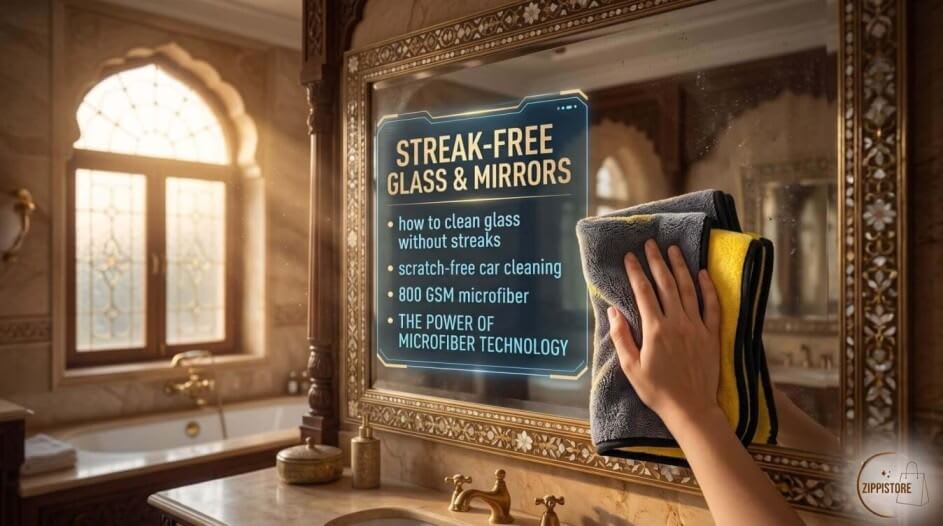
Summary
Tired of spending time wiping down windows and mirrors only to find hazy streaks left behind once the surface dries? Achieving a crystal-clear, scratch-free finish on delicate surfaces requires more than just standard soap and water. Learn the expert techniques, avoid common dusting mistakes, and discover why upgrading your cleaning tools is the secret to a spotless home and vehicle.
There is nothing more frustrating than dedicating time to deep clean your home, only to notice annoying streaks across your mirrors and windows the moment the sun hits them. Many people struggle with lint, water spots, and micro-scratches on delicate surfaces because they rely on outdated cleaning methods. Using old cotton t-shirts or harsh paper towels often does more harm than good, pushing dust around instead of lifting it away.
Whether you are wiping down a bathroom mirror, detailing your car's dashboard, or prepping a surface for a DIY project, using the correct technique is crucial. Achieving a flawless finish is incredibly easy once you switch to the right materials. By combining proper wiping motions with high-absorption tools, you can cut your cleaning time in half while protecting your valuable surfaces from accidental damage.
Common Problems & Unknown Facts
Most streaks and scratches happen because of incorrect tool choices rather than a lack of effort. Here are the most common culprits behind a cloudy glass finish:
- Using Paper Towels: Paper products leave behind fine lint and can contain rough wood fibers that create microscopic scratches on glass and auto paint.
- Washing with Fabric Softener: If you wash your cleaning rags with fabric softener, the chemical residue transfers to your mirrors, creating a cloudy, smeared film.
- Cleaning in Direct Sunlight: Spraying liquid cleaners on hot glass causes the solution to evaporate too quickly, leaving chemical streaks behind before you even start wiping.
- Cross-Contamination: Using the same cloth to wipe a greasy kitchen counter and then cleaning a mirror will simply spread the grime.
Step-by-Step Solution: How to Clean Glass Perfectly
Achieving a streak-free shine requires a simple, methodical approach. Follow these steps for mirrors, windows, and glass tables.
Step 1: Remove Surface Dust First
Before applying any liquid, use a dry, high-quality cloth to lightly dust the surface. If you spray liquid directly onto heavy dust, you create a muddy mixture that is much harder to wipe away.
Step 2: Apply Cleaner to the Cloth
Instead of spraying cleaning solutions directly onto the glass, spray a light mist onto your cloth. This prevents excess liquid from dripping down into the window frames or seeping behind mirror backings, which can cause black edge rot over time.
Step 3: Wipe in an 'S' Pattern
Avoid wiping in circles, as this simply redistributes the dirt. Start at the top corner of the glass and drag the cloth horizontally across. Drop down slightly and pull it back across the other way, creating a continuous "S" or "Z" pattern until you reach the bottom.
Maintenance, Care, and Automotive Usage
Proper surface care extends beyond your home's interior. When maintaining your vehicle, preventing micro-scratches is essential to preserving the paint and interior dashboard screens.
- Car Interiors: Use a dry cloth to trap dust on the dashboard and center console without using chemical sprays that might degrade the plastic over time.
- Surface Prep: If you plan to install protective accessories, surface preparation is mandatory. For instance, before applying a car edge protection film roll to your door sills, the area must be wiped completely free of dirt, wax, and oils to ensure the adhesive bonds properly.
- Exterior Wipedowns: After a car wash, gently patting the surface dry with an ultra-absorbent cloth prevents hard water spots from baking into the paint. To keep your vehicle looking its best, check out our guide on how to protect your car doors from scratches.
Recommended Cleaning Products
Using dedicated tools for specific tasks keeps your home hygienic and protects your surfaces.
- For Delicate Surfaces: The Dual-Sided Microfiber Cleaning Cloth (800 GSM) is essential for glass, mirrors, and cars. The thick 800 GSM (Grams per Square Meter) fabric absorbs large amounts of water and traps dust deep within its fibers without scratching.
- For Heavy-Duty Kitchen Grime: Never use your glass-cleaning cloths on baked-on kitchen grease. Instead, use a Dishwashing Soap Dispenser with Steel Wire Sponge to tackle tough pots and pans, keeping your microfiber cloths pristine for delicate tasks.
- For Bathroom Tiles: If you are tackling larger wet areas, rely on appropriate floor cleaning tools designed to handle heavy water volume and soap scum.
Dos and Don'ts for Cloth Maintenance
To ensure your cleaning tools last for years and maintain their absorbency, follow this quick checklist:
Pro Tip: Microfiber acts like a magnet for dust and lint. Always wash and dry them separately from your regular cotton towels or fleece blankets.
- Do wash cleaning cloths in warm or cold water.
- Do use a mild, unscented liquid detergent.
- Do air dry them or use a low-heat tumble dry setting.
- Don't use fabric softeners or dryer sheets (they coat the fibers and ruin absorbency).
- Don't wash them with heavily soiled, greasy garage rags.
- Don't iron them, as high heat will melt the micro-synthetic fibers.
Final Takeaway
You do not need an arsenal of expensive chemical sprays to achieve a perfectly clean home. The secret lies in the quality of the cloth you use and the technique you apply. By ditching paper towels and adopting the 'S' wiping pattern with a high-GSM cloth, you can easily maintain sparkling mirrors, spotless windows, and a pristine car interior.
Key Action Items
- Replace old cotton rags and paper towels with high-quality, lint-free microfiber alternatives.
- Adopt the "S" pattern wiping technique for all glass and mirrors to eliminate streaks.
- Designate specific cloths for specific tasks (e.g., color-code one for glass, one for the car, and one for dusting).
- Wash your cleaning supplies correctly by completely avoiding fabric softeners.