Air Fryer Liners Buying Guide: Best Options Under ₹500
Summary
Air fryers have revolutionised the modern Indian kitchen, giving us the crispiness of deep-fried samosas and paneer tikka with a fraction of the oil. But anyone who uses this appliance regularly knows the dark side of air frying: the dreaded cleanup. Scrubbing baked-on marinades, sticky grease, and burnt crumbs out of the basket's tiny holes is frustrating and time-consuming. Worse, aggressive scrubbing permanently damages the appliance's non-stick coating. The smartest solution? A high-quality liner. Choosing the right protective layer can cut your dishwashing time to zero and extend the lifespan of your appliance by years.
Overview
This comprehensive guide breaks down exactly how to choose the right protection for your appliance. We explore the critical differences between disposable parchment sheets and reusable silicone bowls, highlighting their impact on cooking performance and cleanup speed. You will learn the exact mechanics of convection cooking, discover common mistakes that ruin food texture, and get practical recommendations for the best air fryer liners under ₹500 that actually work for everyday Indian cooking.
Why This Matters
Your air fryer basket relies on a delicate non-stick coating (often Teflon or ceramic) to prevent food from cementing to the metal. Every time you cook sticky foods like honey-glazed wings or heavily marinated tandoori paneer, the sugars and proteins bake directly onto the surface at 200°C.
When you scrub this hardened residue with a harsh wire sponge or abrasive powder, you create microscopic scratches in the non-stick layer. Over just a few months, the coating begins to peel, exposing the bare metal underneath. This not only ruins the non-stick properties but can also release toxic chemicals into your food. Using a proper liner acts as a sacrificial barrier. It catches the grease, holds the burnt crumbs, and takes the thermal beating so your expensive appliance doesn't have to. You save time at the sink, reduce your water usage, and protect your investment.
Common Problems People Face
When cooking without a protective barrier, households encounter several frustrating friction points:
- The Mesh Trap: Food gets permanently wedged into the grill plate's ventilation holes, requiring a toothpick or stiff brush to dislodge.
- Cross-Contamination of Flavours: If you bake a cake after making garlic prawns, the porous leftover grease can transfer savoury odours to your sweet desserts.
- Wasted Leftovers: Delicate foods, like flaky fish or soft potato patties (aloo tikki), stick to the bottom and tear apart when you try to flip them with a spatula.
- The Heavy Sink Wash: Dragging a bulky, greasy drawer to a standard-sized kitchen sink inevitably splashes soapy water everywhere, making a simple cleaning task a massive chore.
Unknown Facts Most People Don't Know
Most people treat their air fryer like a standard microwave, which leads to critical errors. An air fryer is essentially a compact, high-powered convection oven. It cooks by circulating superheated air at hurricane speeds around the food.
If you place a lightweight paper liner inside the basket during the pre-heating phase without any food weighing it down, the intense fan will suck the paper up into the exposed heating coil. This is a massive fire hazard. Furthermore, flat parchment paper cut from a roll often fails because it does not cover the side walls. Grease simply runs off the flat edges and pools underneath, defeating the entire purpose of the liner.
Step-by-Step Solution
Choosing the right accessory depends entirely on what you cook and how much you hate washing dishes. Follow this simple framework to optimize your setup.
Step 1: Evaluate Your Cooking Roster
Take a moment to think about the primary foods you prepare. Do you mainly heat up frozen, dry snacks like french fries, chicken nuggets, and frozen parathas? Or are you cooking "wet" recipes like marinated chicken tikka, saucy manchurian, or oily roasted vegetables? Wet foods require high-walled containment, while dry foods just need a simple base layer to catch crumbs.
Step 2: Choose the Core Material
You have two main categories to choose from:
- Disposable Paper: Ideal for dry foods, baking, and ultimate convenience. You cook, you lift it out, and you throw it away. Zero washing required.
- Reusable Silicone: Best for wet marinades, heavy meats, and eco-conscious households. It contains liquid effortlessly and can be tossed directly into the dishwasher or quickly rinsed with soap.
Step 3: Match the Shape and Size
Always opt for a "bowl" or "fluted" design rather than flat sheets. The raised edges are crucial because they prevent grease from sliding off the sides and leaking onto the heating plate. Ensure the diameter of the liner is slightly smaller than your basket so air can still circulate around the edges.
Recommended Product
For the best results, equipping your kitchen with both material types ensures you are prepared for any recipe.
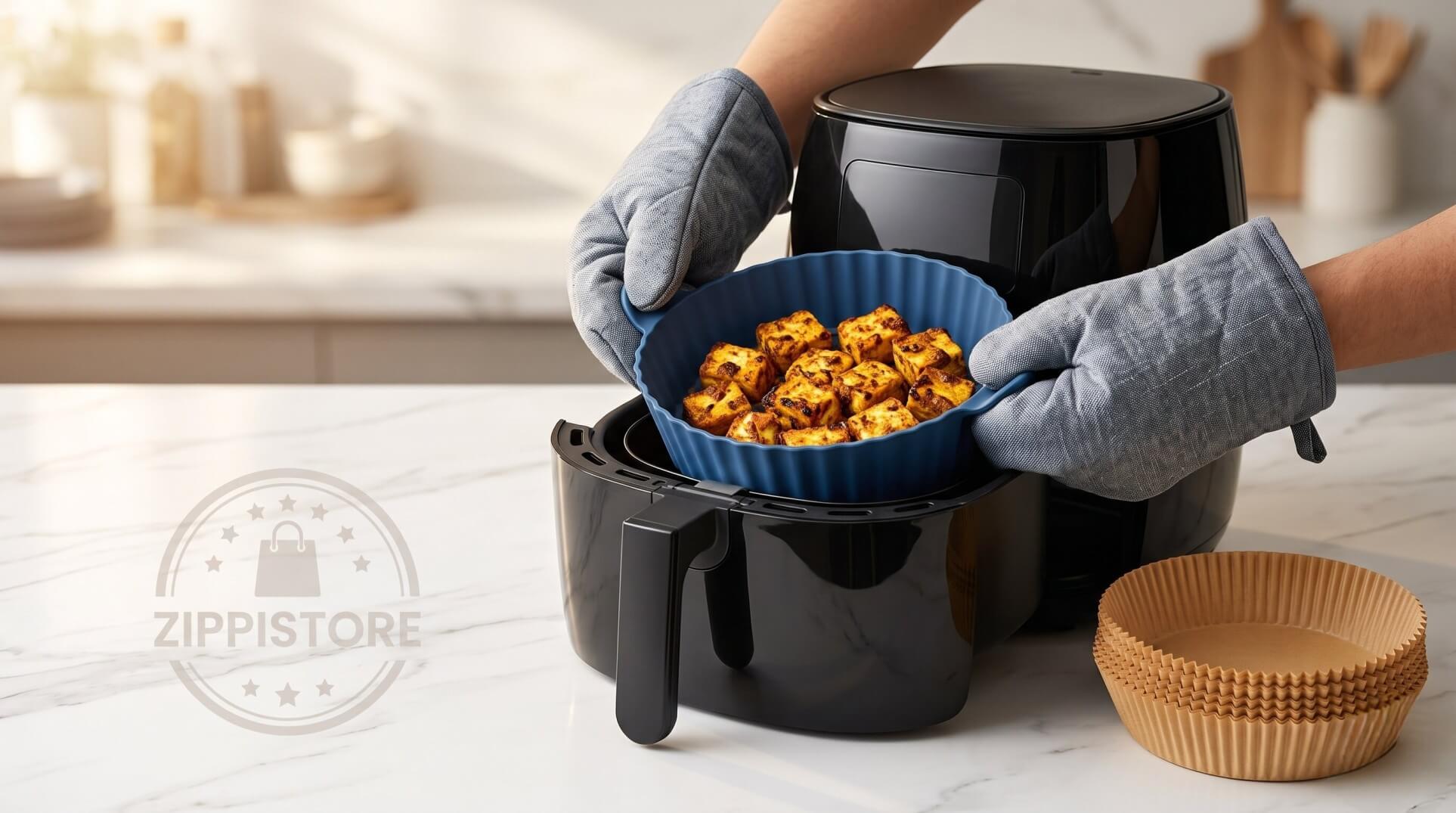
First, the Air Fryer Liner Bowl with Side Handles (2 Pieces) is a game-changer for heavy-duty cooking. This reusable silicone bowl features a unique clamshell design and built-in side handles. The handles are a massive safety upgrade, allowing you to lift hot, grease-filled bowls straight out of the machine without burning your knuckles on the inner walls. It fits effortlessly into air fryers, microwaves, and steamers, making it incredibly versatile. Because it is completely dishwasher safe, it turns a messy tandoori chicken night into a stress-free cleanup.
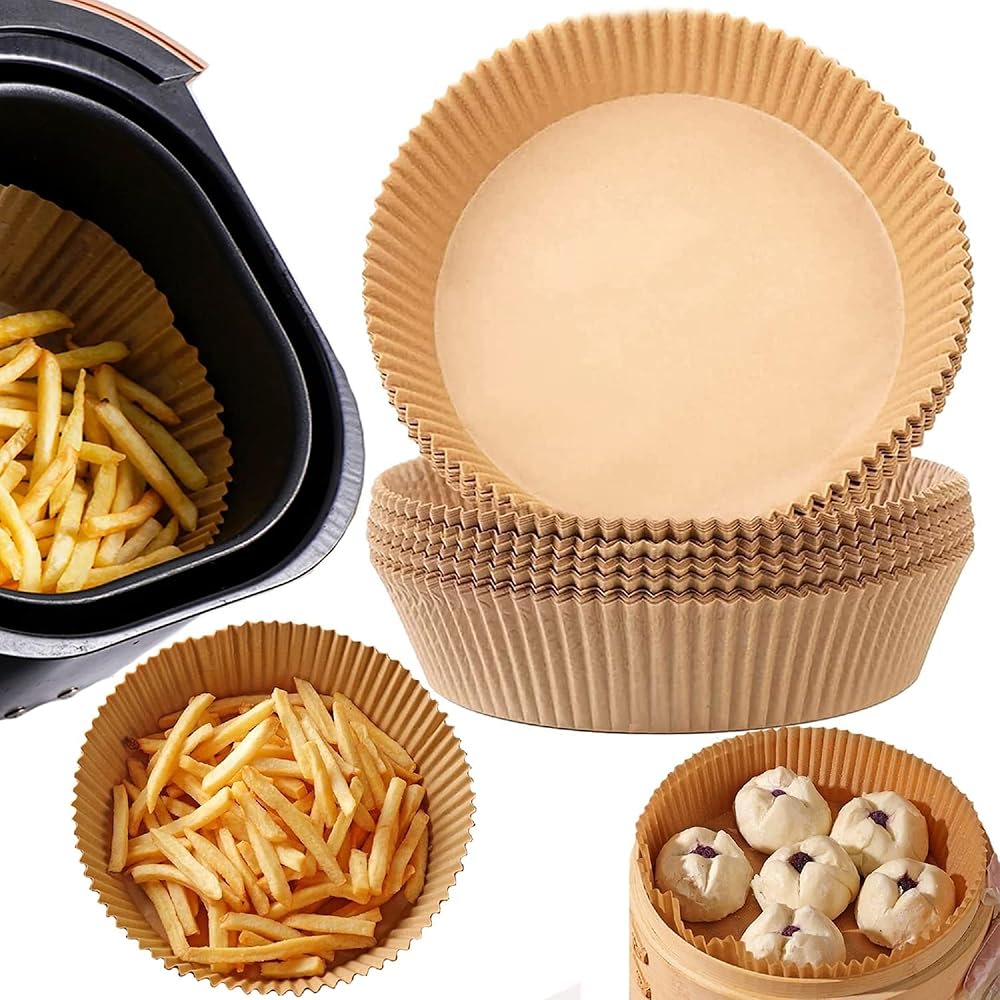
For quick snacks and baking, the 100Pcs Air Fryer Paper Liners Round Disposable Baking Paper Sheets offer unbeatable convenience. These feature fluted edges that mimic a cupcake wrapper, effectively containing crumbs and light oils. Because you get 100 pieces, a single pack lasts for months of daily use. They are perfect for roasting nuts, making cookies, or crisping up frozen snacks. Simply toss the sheet in the dustbin after use, your basket remains spotless.
Who Should Buy
- Busy Parents & Professionals: If you rely on quick meals and despise evening dishwashing, disposable sheets will give you back your free time.
- Health Enthusiasts: Those meal-prepping chicken breasts and roasted veggies daily need the heavy-duty containment of a silicone bowl.
- Renters with Small Sinks: Trying to wash a large appliance basket in a tiny sink is a nightmare. A flexible silicone insert is much easier to manoeuvre under a standard tap.
Who Should Skip
- Large Capacity Roasters: If your primary use case is roasting a whole, extra-large chicken that physically touches all four walls of a 7-litre basket, liners might restrict the necessary airflow needed to crisp the bottom of the bird.
- Dehydrator Users: If you use your machine on low heat for 8 hours to dehydrate fruit, liners will block the moisture escape route.
Common Buying Mistakes
The most frequent mistake buyers make is purchasing flat squares of standard baking parchment and trying to fold them into the basket. The folds block airflow, and the flat edges let grease seep underneath. Another common error is buying silicone liners without side handles; trying to pinch a hot, slippery silicone rim with tongs almost always results in dropping your food back into the hot grease. Finally, do not buy liners that are too large for your basket; if the material touches the upper heating coil, it will burn.
Expert Tips
To get the crispiest food while using a liner, always make sure you do not overcrowd the basket. Liners inherently reduce airflow coming from the bottom, so leaving space between your potato wedges or paneer cubes allows the hot air to travel down and crisp the sides.
When cleaning the reusable silicone bowl, if you notice a lingering smell of spices, soak it in hot water with a squeeze of fresh lemon juice and a spoonful of baking soda for 15 minutes. This natural hack neutralises stubborn food odours instantly.
Real-Life Example
Consider a standard Sunday evening making spicy paneer tikka. Usually, the yogurt and besan marinade drips through the wire rack, scorching onto the bottom pan while the paneer sticks to the grill. You spend 15 minutes soaking and scrubbing the basket afterwards.
By placing the Air Fryer Liner Bowl with Side Handles into the basket first, the paneer cooks beautifully in its own juices. When the timer rings, you simply grab the side handles, lift the entire batch out, and slide the paneer onto a serving plate. The basket underneath is completely clean, and the silicone bowl takes 30 seconds to wash with a standard sponge.
Related Topics Readers May Like
If you are looking to optimize your kitchen routines further, understanding how to manage ingredients is key. You might enjoy reading our guide on 5 Kitchen Hacks to Reduce Oil Consumption Without Sacrificing Flavor, which pairs perfectly with your newly optimized, clean-cooking appliance.
Final Takeaway
You bought an air fryer to make your life easier, healthier, and faster. Spending 15 minutes scrubbing the basket every night completely defeats that purpose. By investing in high-quality accessories, you protect your appliance's non-stick coating and eliminate the worst part of cooking.
Key Action Items
- Measure your appliance basket's inner diameter before purchasing to ensure a perfect fit.
- Keep disposable paper sheets on hand for dry, quick snacks to eliminate dishwashing completely.
- Use a silicone bowl with side handles for marinated, sticky, or wet foods to contain heavy grease safely.
- Never place a paper liner in an empty machine during the preheat cycle to avoid fire risks.
Frequently Asked Questions
Featured Products
Discover the top-rated items mentioned in this article.
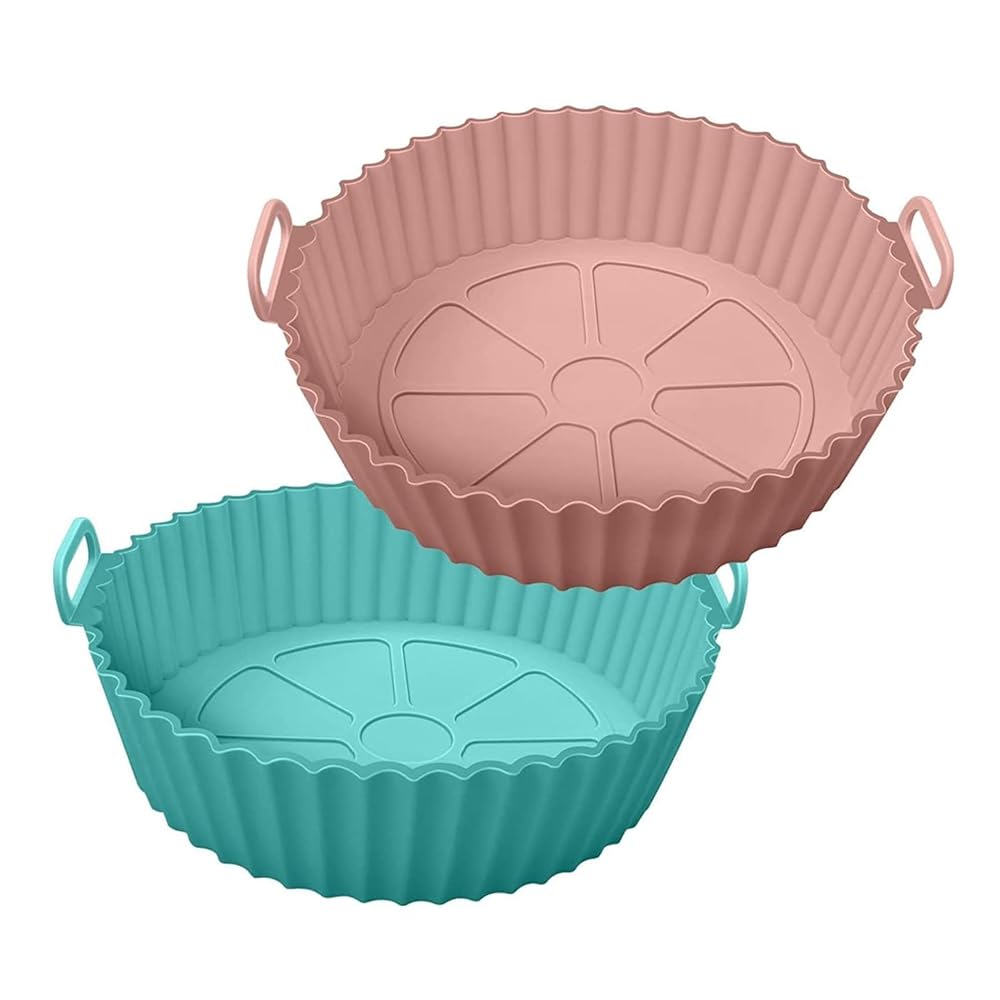
Air Fryer Liner Bowl with Side Handles, Round Cooking Basket Insert for Air Fryer, Microwave, Oven and Steamer, Dishwasher Safe Reusable Liner (2 Pieces)